Dumpster Dos and Don’ts: What You Can Dispose Of
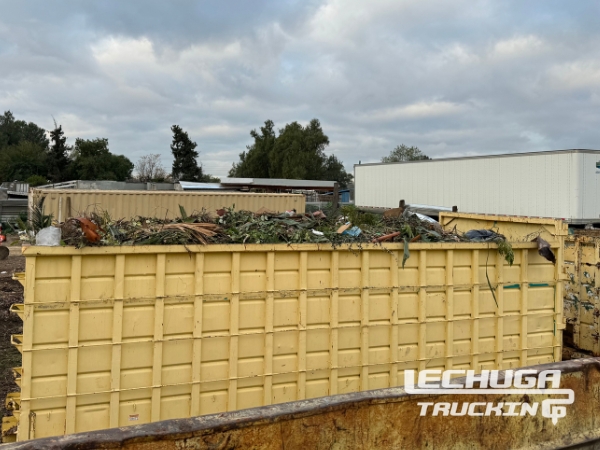
When you rent a dumpster can be an ideal option for a big cleanup, renovation, or construction project. The convenience of tossing debris and unwanted items into one container can make your job so much easier. It’s important to know that certain materials aren’t allowed. Understanding the rules helps prevent fines or disposal problems.
At R. Lechuga Trucking, we believe that understanding proper waste disposal is an important part of using our dumpster rental service responsibly. We provide tips to ensure rentals are used effectively and responsibly. From home cleanouts to remodeling projects and massive decluttering tasks, you need clarity on which items go into a dumpster and which do not.
Household Items That Are Safe to Dispose Of
Standard household trash can often go in your dumpster. Items like furniture, clothing, toys, and boxes are generally safe. Recyclable paper, standard trash, and harmless décor can go in. They are safe for standard disposal or recycling.
When decluttering storage areas, items like old furniture and minor appliances are acceptable. Just remember to double-check that these items are free of chemicals or electronic components before tossing them in. Keeping your dumpster load clean and compliant ensures smooth service and proper disposal by your rental provider.
Construction and Remodeling Debris That’s Accepted
Renovation projects produce debris best managed with a dumpster. Most building materials, like wood, drywall, bricks, siding, and roofing shingles, can be safely placed in your rental. They are safe to dispose of and often recyclable.
Remodeling debris often includes flooring, cabinetry, and fixtures. It’s best to ensure these items are more info free from hazardous substances like lead-based paint or asbestos before disposal. Properly sorted construction debris improves safety and meets regulatory standards.
Yard Waste and Organic Materials
Yard cleanups can quickly create piles of debris, and dumpsters are an excellent way to handle grass clippings, branches, leaves, and small trees. These organic materials are typically accepted as long as they’re not mixed with contaminated waste or hazardous chemicals. Keeping yard debris separate from other waste types also helps ensure it can be composted or processed correctly.
When you’re cleaning up your outdoor spaces, make sure items like treated wood, old fencing, and landscaping stones are acceptable under your dumpster’s waste guidelines. Chemically treated materials are often prohibited. Knowing the rules prevents delays or extra fees.
Items That Are Strictly Prohibited
Some items are strictly forbidden in dumpsters for legal and safety reasons. Items like batteries, fuels, paints, oils, and other hazardous chemicals are not allowed. Special facilities are required for these materials due to safety and environmental hazards.
Additional prohibited items include tires, fridges, and appliances with harmful chemicals. These items require special recycling or disposal processes that differ from standard waste handling. Always review the prohibited items list provided by your dumpster rental company to ensure compliance and prevent costly complications during pickup.
Handling Electronics and Appliances Safely
Electronics and appliances need special attention for dumpster use. Small household appliances without hazardous components are often fine to include, but larger ones like refrigerators, air conditioners, and microwaves need special attention. These items may contain refrigerants, chemicals, or electronics that require special handling.
TVs, computers, and printers need to be disposed of properly. These items often contain metals and components that can be recycled, making it better for the environment to bring them to an electronics recycling center. Handling electronics properly contributes to safe and eco-friendly waste management.
Special Waste and Restricted Materials
Special waste refers to items that require more careful disposal, including medical waste, contaminated soil, and industrial materials. Restricted items must be handled according to safety regulations. Even seemingly safe special waste requires proper disposal.
When in doubt, consult your rental provider to see if waste is classified as special. Asking questions prevents fines or service delays. R. Lechuga Trucking provides expert advice to help you comply with waste rules and avoid issues.
Optimizing Dumpster Usage
Once you know what can and can’t go in a dumpster, you can plan your cleanup more effectively. Sort debris by type to optimize space and safety. Place heavier materials on the bottom and lighter items on top to optimize space. Overfilling can lead to hazards, so keep items below the edge.
Following proper loading practices safeguards the environment and ensures compliance. Adhering to rules helps streamline disposal and collection. Mindful disposal promotes responsible and efficient waste management.
Responsible Dumpster Use for Safety and Compliance
Understanding dumpster rules is essential for safe disposal. Following disposal rules simplifies cleanup and renovation tasks. Whether you’re dealing with household clutter, yard debris, or renovation waste, using your dumpster correctly saves time and prevents problems during pickup or disposal.
R. Lechuga Trucking provides expert advice to maximize dumpster rental efficiency. Complying with waste rules helps finish projects safely and efficiently. Our dumpster rentals offer more than convenience—they ensure responsible and compliant waste handling.